
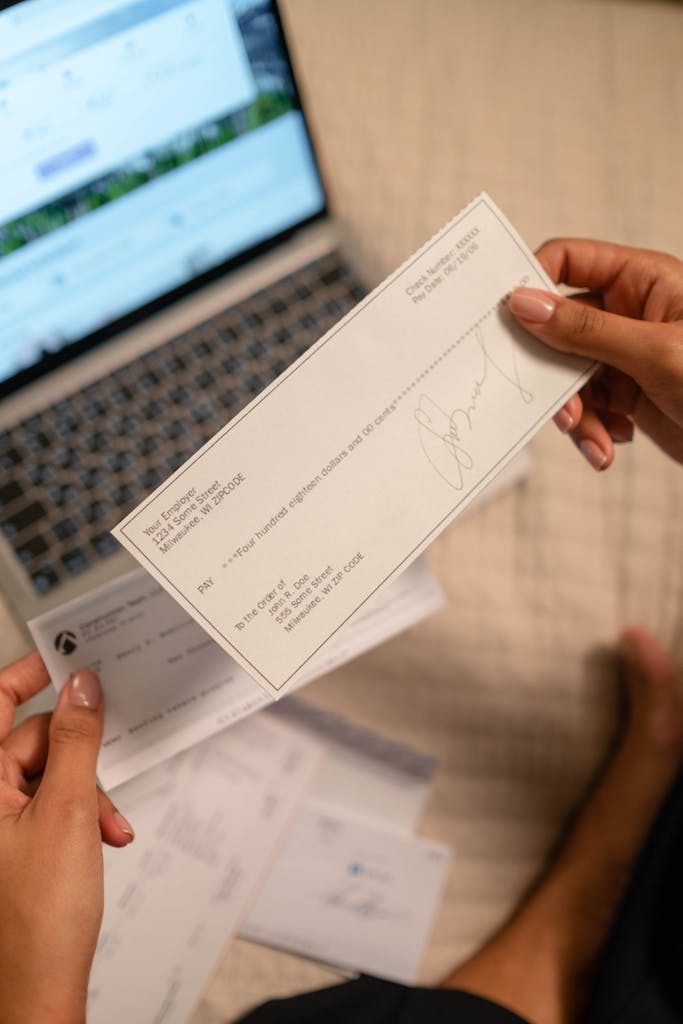
Understanding the difference between a savings account and a checking or current account is foundational to managing money well. Both serve distinct purposes within a personal finance system, and using them correctly can improve cash flow, safety, and long-term financial growth. A clear comparison helps you avoid fees, earn more interest, and choose the right account for each type of transaction.
What Is a Savings Account?
A savings account is designed to hold money you do not need to spend immediately. It provides a safe place to store funds while earning interest over time. Banks use these deposits to lend money, and they pay you interest as a result.
Savings accounts are typically used for emergency funds, short term goals, and long term financial planning. While withdrawals are allowed, they are not meant for frequent daily transactions.
Key features of a savings account include:
- Interest earnings on your balance
- Limited free withdrawals each month
- Lower minimum balance requirements
- Easy transfers to and from other accounts
What Is a Checking or Current Account?
A checking account, often called a current account in many countries, is meant for everyday financial activity. It is the account you use to receive income, pay bills, withdraw cash, and make purchases. These accounts prioritize convenience and transaction speed over interest.
Checking accounts are the operational center of your financial life. They allow unlimited deposits and withdrawals and are usually connected to debit cards, checks, and online payment systems.
Common features of a checking or current account include:
- Unlimited transactions for payments and withdrawals
- Debit card and checkbook access
- Direct deposit and automatic bill pay
- Usually little or no interest
Core Differences Between Savings and Checking Accounts
Although both accounts store money, their functions are very different. A savings account is designed for growth and preservation, while a checking account is built for movement and access.
Savings accounts reward you for leaving money untouched, while checking accounts give you freedom to use money whenever needed. Mixing up their roles often leads to missed interest or unnecessary fees.
The most important differences are:
- Savings accounts earn more interest than checking accounts
- Checking accounts allow frequent spending and payments
- Savings accounts limit withdrawals to encourage saving
- Checking accounts are linked to daily financial activity
How Interest and Fees Compare
Interest is one of the main advantages of a savings account. Even though rates can vary, savings accounts generally pay much more than checking accounts. Over time, this interest helps your money grow and offset inflation.
Checking accounts, on the other hand, often earn little or no interest. They may also carry monthly maintenance fees, overdraft charges, or minimum balance requirements. Savings accounts can also have fees, but they are usually easier to avoid by maintaining a modest balance.
When You Should Use Each Account
Each account has a specific role in a healthy financial system. Your checking account should be used for income, bills, and daily expenses. Your savings account should be used for money that is not meant to be spent right away.
Keeping these purposes separate improves discipline and makes budgeting easier. It also protects your savings from being accidentally spent.
A good rule of thumb is:
- Use a checking account for rent, groceries, utilities, and subscriptions
- Use a savings account for emergency funds, travel, and future goals
Choosing the Right Account for Your Needs
Most people benefit from having both a savings and a checking account. Together, they create a balance between access and growth. When selecting accounts, look for low fees, strong online access, and competitive interest rates.
A well structured account setup ensures that your money works for you while still being available when you need it. By using each account for its intended purpose, you gain better control over spending and stronger long term financial stability.