
Government and Public Finance

Public finance is the branch of economics that examines how governments raise revenue, allocate resources, manage expenditures, and ensure accountability in the use of public funds. It provides the foundation for delivering public services, maintaining economic stability, and promoting inclusive growth. Understanding public finance helps citizens, policymakers, and institutions evaluate how financial decisions affect economic outcomes and social welfare.
At its core, public finance addresses three fundamental questions: how money is collected, how it is spent, and how financial decisions are governed over time.
Popular Posts on Government and Public Finance
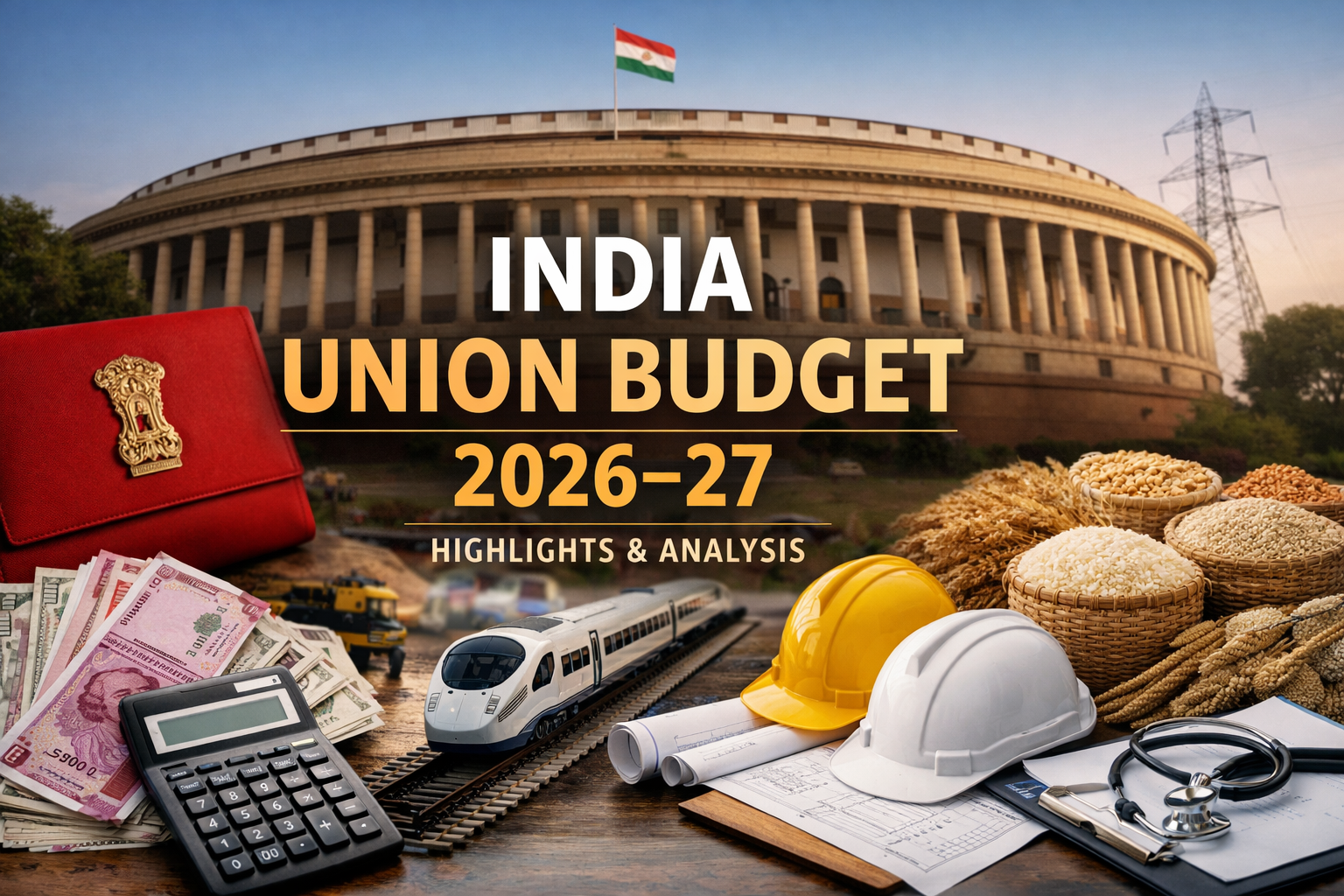




Why Public Finance Matters
Public finance shapes nearly every aspect of public life. From infrastructure and education to healthcare and social protection, government financial decisions determine the scale, quality, and sustainability of public services.
Sound public finance systems help governments:
- Maintain fiscal discipline and macroeconomic stability
- Allocate resources efficiently and equitably
- Build public trust through transparency and accountability
- Respond to economic shocks and long-term challenges
Weak public finance, by contrast, can lead to inefficiency, debt distress, and loss of public confidence.
Core Areas of Public Finance
Public finance is typically organized into several interrelated areas. Each plays a distinct role while contributing to the overall fiscal framework.
Auditing, Accountability and Transparency
Auditing and transparency ensure that public funds are used as intended. Independent audits, reporting standards, and oversight institutions help detect misuse, improve performance, and strengthen trust in government.
Effective accountability frameworks rely on:
- Clear financial reporting and disclosure
- Strong audit institutions
- Legislative and public oversight
Budgeting and Fiscal Planning
Budgeting translates policy priorities into financial plans. It determines how resources are allocated across sectors and over time.
Fiscal planning focuses on aligning budgets with medium- and long-term objectives, helping governments manage trade-offs between spending needs, revenue constraints, and fiscal sustainability.
Fiscal Policy and Macroeconomy
Fiscal policy uses government spending and taxation to influence economic conditions. It plays a central role in stabilizing the economy during downturns and preventing overheating during booms.
Key objectives include:
- Supporting economic growth
- Managing inflation and employment
- Ensuring debt sustainability
Government Revenue
Government revenue provides the resources needed to fund public services. It includes taxes, fees, grants, and income from public assets.
A strong revenue system aims to be efficient, fair, and predictable, while minimizing distortions to economic activity.
Intergovernmental Fiscal Relations
In decentralized systems, public finance defines how responsibilities and resources are shared across national, regional, and local governments.
Well-designed intergovernmental arrangements ensure that subnational governments have adequate funding to meet their mandates while maintaining overall fiscal discipline.
Legal and Institutional Framework
Public finance operates within a legal and institutional structure that sets rules for budgeting, spending, borrowing, and oversight.
Clear laws and capable institutions provide:
- Predictability in fiscal management
- Limits on discretion and misuse
- Enforcement of fiscal rules and standards
Public Debt and Borrowing
Borrowing allows governments to finance investments and manage temporary fiscal gaps. However, debt must be carefully managed to avoid long-term risks.
Public debt management focuses on:
- Cost and risk trade-offs
- Debt sustainability over time
- Transparency in borrowing decisions
Public Expenditure
Public expenditure determines how government resources are used to deliver services and achieve policy goals.
Effective expenditure management emphasizes:
- Value for money
- Alignment with policy priorities
- Monitoring and evaluation of results
Public Financial Management
Public financial management refers to the systems and processes that govern how public funds are planned, executed, recorded, and reported.
Strong public financial management improves efficiency, reduces waste, and supports informed decision-making across government.
Public Investment and Infrastructure Finance
Public investment finances long-term assets such as roads, energy systems, schools, and hospitals. These investments are critical for economic growth and service delivery.
Good investment frameworks prioritize projects based on economic and social returns, while managing fiscal risks.
Social Protection and Redistribution
Public finance plays a key role in reducing poverty and inequality through social protection programs and redistributive policies.
These measures aim to:
- Protect vulnerable populations
- Promote social cohesion
- Support inclusive economic development
Conclusion
Public finance is not just about numbers and budgets. It is about choices, priorities, and governance. A well-functioning public finance system enables governments to deliver results, manage risks, and earn public trust.
For citizens and practitioners alike, understanding public finance provides the tools to engage more effectively in debates about policy, accountability, and the future of public services.