
Saving

Saving in personal finance means setting aside part of your income today so you can use it tomorrow for emergencies, goals, and peace of mind. It is a deliberate act of choosing future stability over short term spending. A strong saving habit creates financial resilience and gives you control over your choices.
Saving is not passive. It is an active decision that shapes how you experience work, money, and stress throughout your life.
Posts on Saving

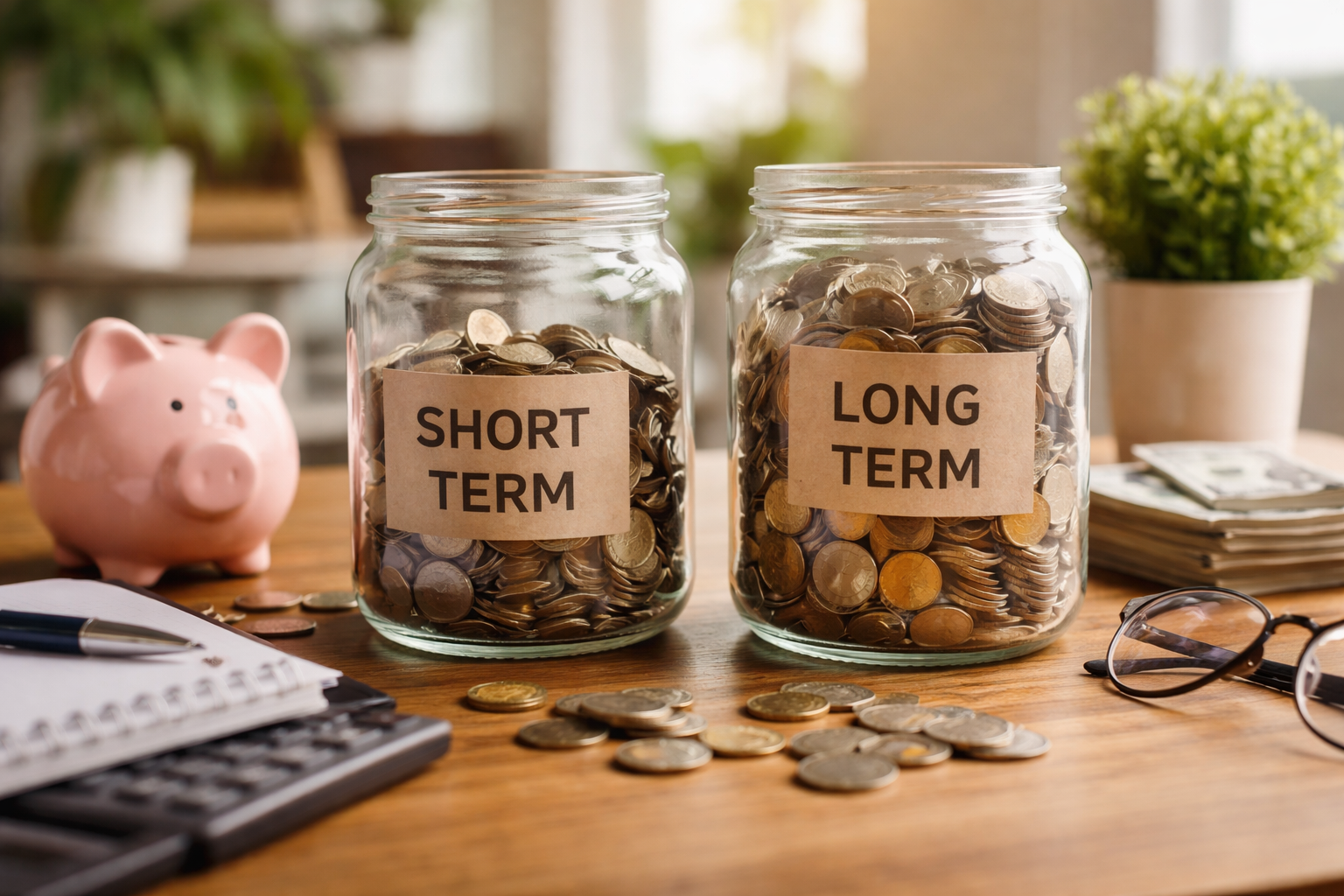



What Saving Really Does
Saving is not just leftover money. It plays a direct role in protecting and improving your financial position. When you save consistently, you are building a buffer between yourself and uncertainty.
- Protection through coverage for emergencies, job loss, and medical bills
- Freedom to walk away from bad jobs, bad debt, and unnecessary stress
- Opportunity to start a business, invest, or buy a home
Without savings, every unexpected expense turns into a debt problem. With savings, problems stay manageable and temporary.
The Three Layers of Saving
Saving works best when it is organized into layers. Each layer has a different purpose and time horizon, which allows you to meet both immediate needs and long term goals.
Emergency Fund
This is your financial shock absorber. It protects you when something goes wrong and prevents you from relying on credit cards or loans.
The goal is to hold three to six months of living expenses in cash, typically in a high yield savings account or money market fund.
This fund covers situations such as:
- Car repairs
- Medical bills
- Job loss
- Unexpected travel
If you do not have this layer in place, investing becomes risky because you may be forced to sell at the wrong time.
Short Term Savings
Short term savings are for expenses you know are coming within the next three years. These are planned goals rather than surprises, and saving for them keeps you out of debt.
Common uses include:
- Vacations
- Phone replacements
- Weddings
- Car down payments
- Moving expenses
This money should be kept in high yield savings or money market accounts so it stays safe and accessible. It should not be invested in stocks because market fluctuations can reduce its value right when you need it.
Long Term Savings
Long term savings are for building wealth and funding major future goals. This includes retirement, financial independence, and large life ambitions.
This money belongs in:
- Index funds
- Retirement accounts such as a 401k or IRA
Because this money is not needed for many years, it should be invested rather than sitting in cash. Over time, growth from investing is what turns saving into real wealth.
How Much You Should Save
A simple guideline helps you choose a target that matches your situation.
- If you are just getting by, aim for 5 to 10 percent of income
- If you are financially stable, aim for 15 to 20 percent
- If you are doing well, aim for 20 to 30 percent
The habit matters more than the exact percentage. Starting small builds consistency, and consistency makes it easier to increase your savings rate later.
The Golden Rule of Saving
Pay yourself first. This principle means your savings move out of your paycheck before anything else happens.
When you get paid, the order should be:
- Money goes into savings
- Bills are paid
- You live on what remains
This structure prevents accidental overspending and ensures that saving happens no matter how busy or distracted you are.
Where People Go Wrong
Most people save whatever is left after spending, which often means they save nothing. When life happens, they turn to debt to fill the gap.
Common patterns include:
- Saving what is left
- Spending everything
- Using debt when emergencies appear
Smart savers reverse this process. They save first, spend intentionally, and avoid turning everyday problems into financial crises. Over time, this approach leads to stability, confidence, and real financial progress.
Bottom Line
Saving is the foundation of every strong financial plan. It protects you from emergencies, supports your goals, and makes long term investment possible. When you save first and spend what remains, you stay in control of your money instead of reacting to it. Over time, this simple discipline turns income into security, freedom, and lasting wealth.