
Retirement Planning

Retirement planning is one of the most important financial responsibilities an adult will ever take on. It is not a single decision but a long-term strategy that affects how you will live for decades after your working years end. With longer life expectancies, rising healthcare costs, and changing workplace benefits, the need for thoughtful retirement planning has never been greater.
A strong retirement plan provides more than income. It delivers stability, independence, and the ability to make choices about how you spend your time later in life. Whether retirement is decades away or just around the corner, the principles of planning remain the same: understand your needs, build savings consistently, manage risk, and prepare for uncertainty.
Posts on Retirement Planning

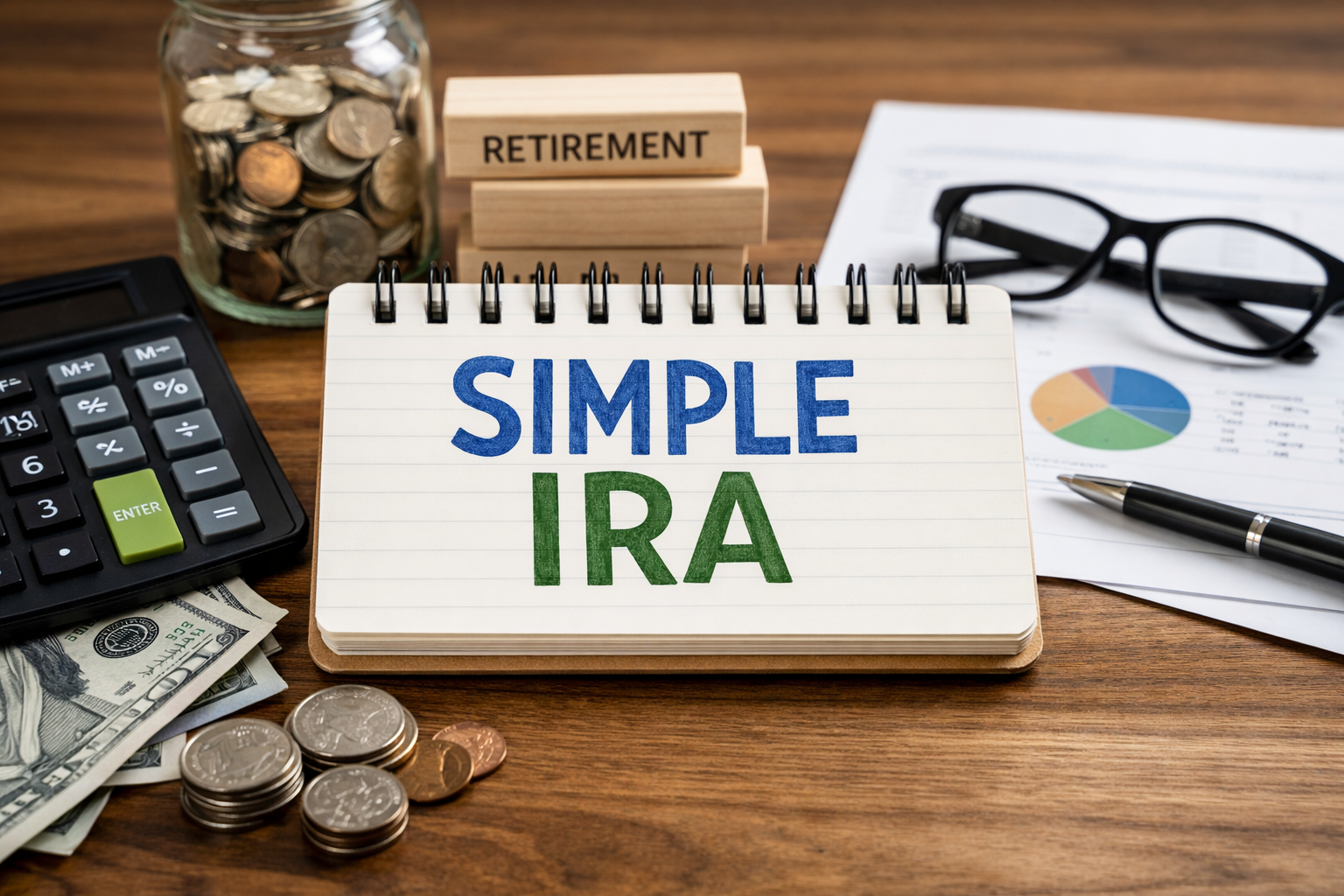



Understanding What Retirement Really Costs
Many people underestimate how much money they will need after leaving the workforce. While some expenses may decline, others often increase. Housing, healthcare, food, transportation, and personal spending continue, and inflation steadily reduces purchasing power over time.
A common rule of thumb suggests retirees may need 70 to 80 percent of their pre-retirement income to maintain a similar lifestyle. However, this varies widely depending on health, location, debt levels, and lifestyle choices. Someone who owns a home outright and lives modestly will have very different needs than someone with high medical costs or an active travel schedule.
Key factors that influence retirement expenses
Understanding what shapes your future costs allows you to estimate more accurately and avoid unpleasant surprises later.
- Housing status, including rent, mortgage, and property taxes
- Healthcare costs, including insurance premiums and out-of-pocket expenses
- Debt obligations such as credit cards, auto loans, or student loans
- Lifestyle goals like travel, hobbies, and entertainment
- Taxes on retirement income
By accounting for these areas early, you can build a more realistic and resilient financial plan.
The Role of Social Security in Retirement Income
Social Security provides a foundation of income for most retirees, but it was never designed to cover all living expenses. The benefit amount you receive depends on your earnings history and the age at which you claim benefits.
Full retirement age is typically between 66 and 67, depending on your birth year. Claiming earlier reduces monthly payments permanently, while delaying benefits increases them. Choosing when to start Social Security is a major decision that affects long-term financial security.
How Social Security fits into a broader plan
Social Security should be treated as one component of a diversified income strategy rather than the primary source of support.
- It provides inflation-adjusted income for life
- It helps protect against the risk of outliving savings
- It works best when combined with personal savings and investments
A well-constructed retirement plan uses Social Security to supplement other income streams rather than replace them.
Employer Retirement Plans and Their Advantages
Workplace retirement plans remain one of the most powerful tools for building long-term wealth. Plans such as 401(k)s, 403(b)s, and similar programs allow employees to invest with tax advantages and, in many cases, receive employer matching contributions.
These plans are especially effective because contributions are often automatic and invested directly from each paycheck. This encourages consistency, which is one of the most important elements of successful retirement saving.
Why employer plans deserve priority
These accounts provide structural benefits that are difficult to replicate elsewhere.
- Tax-deferred or tax-free growth depending on the plan type
- Employer matching, which acts as an immediate return on contributions
- High contribution limits compared to other retirement accounts
- Payroll deduction that supports disciplined saving
Taking full advantage of an employer plan is one of the simplest ways to accelerate retirement savings.
Individual Retirement Accounts and Their Flexibility
Individual Retirement Accounts, commonly known as IRAs, offer another layer of retirement planning. They come in two main forms, traditional and Roth, each with different tax treatments and advantages.
Traditional IRAs allow for tax-deductible contributions in many cases, with taxes paid upon withdrawal. Roth IRAs are funded with after-tax dollars, but qualified withdrawals are tax free. Choosing between them depends on current income, future tax expectations, and personal financial goals.
Why IRAs matter even if you have a workplace plan
IRAs provide additional control and flexibility that can strengthen a long-term strategy.
- Access to a wider range of investment options
- Potential tax diversification in retirement
- The ability to continue contributing even when changing jobs
- Estate planning advantages for heirs
Using IRAs alongside employer plans creates a more adaptable and tax-efficient retirement portfolio.
Investment Strategy for Long-Term Growth
Saving alone is not enough. Money must be invested in a way that allows it to grow faster than inflation. A well-designed investment strategy balances growth, income, and risk based on time horizon and personal tolerance for volatility.
Younger investors can generally afford to take more risk because they have time to recover from market downturns. As retirement approaches, protecting accumulated savings becomes more important.
Core principles of retirement investing
Successful investing for retirement is built on a few essential ideas.
- Diversification across stocks, bonds, and other assets
- Regular rebalancing to maintain target allocations
- Low-cost investment options to preserve returns
- Long-term focus rather than short-term market timing
Staying disciplined through market cycles is often more important than trying to predict the next move.
Managing Risk and Preparing for the Unexpected
Risk is an unavoidable part of retirement planning. Market volatility, inflation, healthcare costs, and longevity all introduce uncertainty. Planning for these risks protects both income and quality of life.
One of the biggest challenges is longevity risk, which is the possibility of living longer than expected. With people regularly living into their 80s and beyond, savings must last longer than many realize.
Common retirement risks to address
A comprehensive plan accounts for several major threats.
- Market downturns that reduce investment value
- Inflation that erodes purchasing power
- Rising medical and long-term care costs
- The risk of outliving savings
Insurance products, diversified investments, and conservative withdrawal strategies all help manage these risks.
Creating a Withdrawal Strategy in Retirement
How you draw money from savings matters just as much as how you accumulate it. Poor withdrawal decisions can cause a portfolio to run out too soon, even if the initial balance was large.
Many financial professionals reference a sustainable withdrawal rate, often around 4 percent annually, as a starting point. However, actual rates should be adjusted based on market conditions, spending needs, and life expectancy.
Principles for responsible withdrawals
A thoughtful withdrawal plan increases the odds of long-term success.
- Withdraw from taxable and tax-advantaged accounts strategically
- Adjust spending during market downturns
- Maintain a cash reserve for short-term needs
- Review and update the plan regularly
Flexibility and discipline are key to preserving income throughout retirement.
The Importance of Healthcare and Long-Term Care Planning
Healthcare is one of the largest expenses for retirees. Even with public insurance programs, out-of-pocket costs for premiums, prescriptions, and uncovered services can be substantial.
Long-term care adds another layer of complexity. Services such as home health aides, assisted living, or nursing care can be expensive and are not fully covered by standard health insurance.
Why healthcare planning must start early
Ignoring healthcare costs can undermine even the strongest financial plan.
- Medical expenses rise with age
- Long-term care needs are unpredictable
- Insurance options are more affordable when purchased earlier
- Savings earmarked for healthcare reduce financial stress later
Planning for these costs protects both financial assets and personal dignity.
Reviewing and Adjusting Your Retirement Plan Over Time
Retirement planning is not a one-time event. Life changes, economic conditions shift, and personal goals evolve. Regular reviews ensure that your strategy stays aligned with reality.
Major life events such as marriage, divorce, career changes, or health issues should always prompt a reevaluation. Even without big changes, an annual review helps keep everything on track.
What to check during a review
Periodic reviews focus on a few critical areas.
- Savings rate and investment performance
- Asset allocation and risk level
- Expected retirement date and income needs
- Beneficiary and estate planning updates
Ongoing attention keeps small issues from becoming large problems.
Building Confidence Through Thoughtful Retirement Planning
A secure retirement does not happen by accident. It is the result of consistent saving, disciplined investing, and careful planning over many years. By understanding costs, using available accounts, managing risk, and staying flexible, individuals can build a future that supports both financial stability and personal freedom.
Retirement planning is ultimately about control. It allows you to decide when to stop working, how to spend your time, and how to support the people and causes that matter most. With a solid plan in place, retirement becomes not just an ending, but the beginning of a new and rewarding chapter of life.