
Income

Income is the foundation of personal finance. Every financial decision, from saving and investing to spending and borrowing, ultimately depends on how much money flows into your life and how reliably it arrives. In its simplest form, income is the money you receive in exchange for your time, skills, assets, or ideas. In a more practical sense, it is the fuel that powers your entire financial system.
Understanding income is not just about knowing your paycheck. It involves recognizing the different ways money can be earned, how stable or variable those earnings are, and how they interact with your goals. When you have clarity about your income, you gain control over budgeting, planning, and long term wealth building.
Income also sets the limits and possibilities of your financial life. Higher income can create more options, but even modest income can lead to security and progress when it is managed well. The goal is not simply to earn more, but to earn in ways that align with your values, your time, and your future plans.
Posts on Income


What Income Really Means
Income is the inflow of money that you receive over a given period. This could be weekly, monthly, or annually, depending on how you are paid. It can come from one source or many, and it can be predictable or irregular.
In personal finance, income is often discussed in relation to expenses. If your income exceeds your expenses, you have a surplus that can be saved or invested. If your expenses exceed your income, you face financial stress and potential debt. This relationship makes income a central pillar of financial stability.
Income also has a psychological dimension. It affects how secure you feel, how confident you are about the future, and how willing you are to take financial risks. A steady and sufficient income reduces uncertainty and allows for more deliberate planning.
Types of Income
Not all income is the same. Different types of income have different levels of reliability, effort, and potential for growth. Understanding these distinctions helps you build a more balanced financial life.
Earned Income
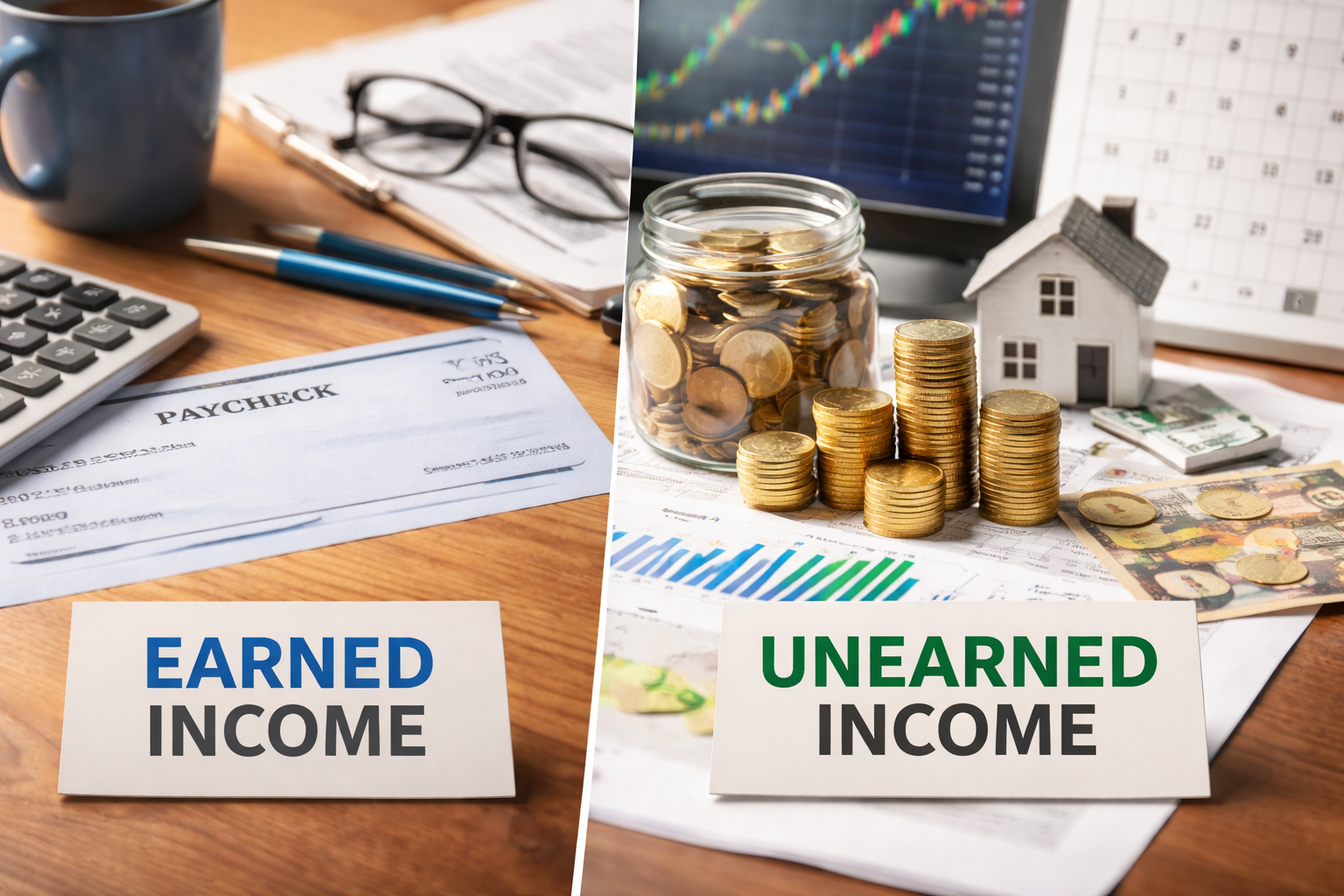
Earned income comes from active work. This is the money you receive in exchange for your labor, time, or expertise. It is the most common form of income for most people.
Examples of earned income include:
- Salaries and wages
- Tips and commissions
- Fees for freelance or contract work
- Income from self employment
Earned income is often the primary source of cash flow, especially early in a career. It tends to be more predictable than other types of income, particularly when you are in a stable job. However, it is directly tied to your ability to work, which means it can stop if you become unable to perform your duties.
Related:
Earned vs Unearned Income: Key Differences, Examples, and Tax Impact
Passive Income
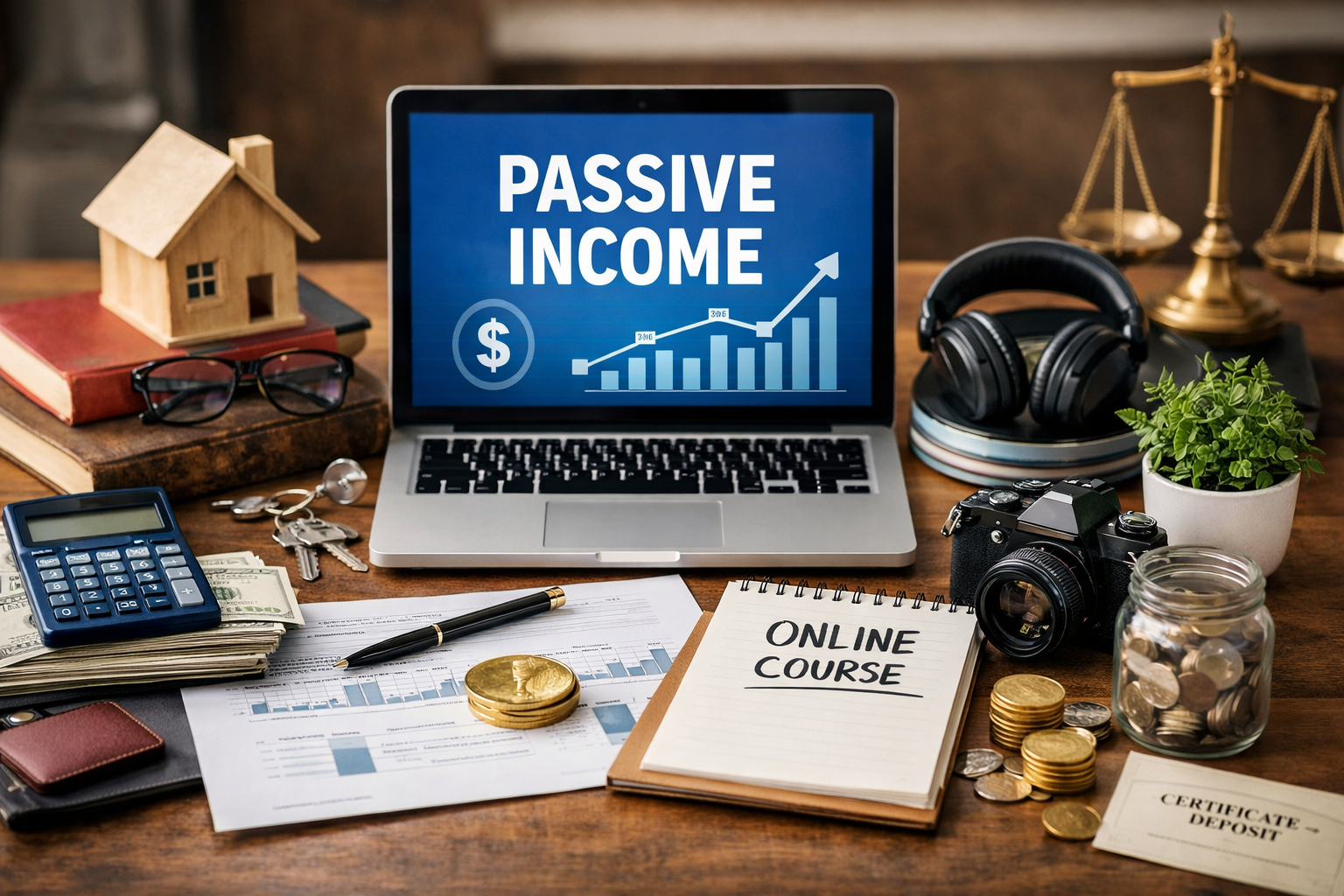
Passive income is money that continues to come in with minimal ongoing effort after an initial setup. While it rarely requires no work at all, it does not demand constant time and energy in the way earned income does.
Common sources of passive income include:
- Rental income from property
- Royalties from creative work
- Dividends from investments
- Interest from savings or bonds
Passive income is valuable because it can continue even when you are not actively working. Over time, building passive income can increase financial freedom and reduce dependence on a single job.
Portfolio Income
Portfolio income comes from investments. It is generated by owning financial assets that produce returns.
Typical forms of portfolio income include:
- Dividends from stocks
- Interest from bonds
- Capital gains from selling assets at a higher price
Portfolio income is closely tied to market performance and economic conditions. It can fluctuate, but it also offers significant potential for growth over long periods. For many people, portfolio income becomes more important later in life as investments mature.
Business Income
Business income is earned from owning and operating a business. This can range from a small side venture to a large enterprise.
Business income may come from:
- Profits from selling products or services
- Licensing fees
- Franchise earnings
This type of income can be highly scalable. Unlike earned income, which is limited by your time, business income can grow as the business expands. However, it also carries higher risk and uncertainty.
Gross Income and Net Income
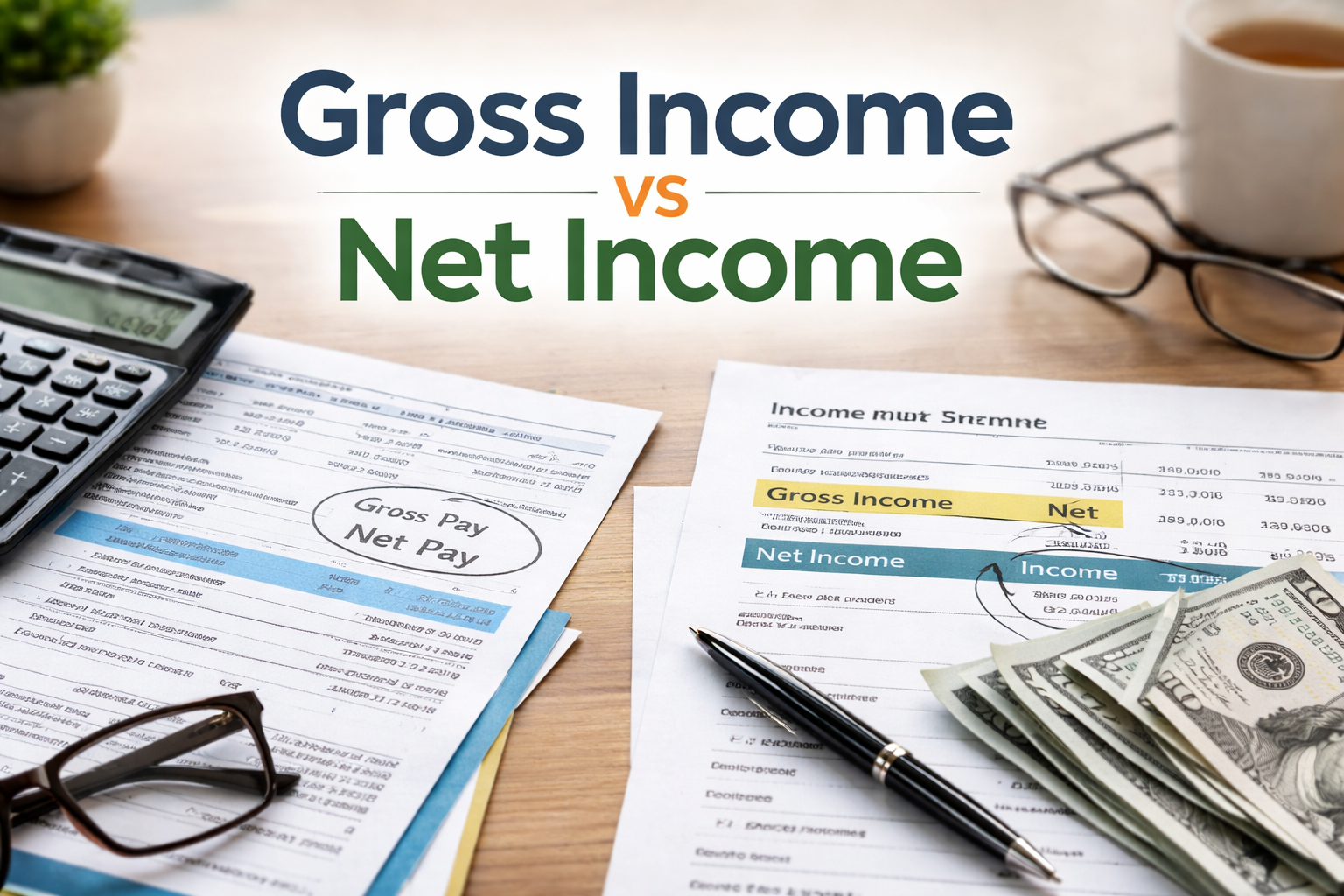
When discussing income, it is important to distinguish between gross income and net income. Gross income is the total amount you earn before any deductions. Net income is what remains after taxes, contributions, and other withholdings are taken out.
Gross income may look impressive, but net income is what you actually have available to spend, save, and invest. For personal finance planning, net income is the more practical number to use.
Understanding this difference helps prevent overestimating your financial capacity. It also makes budgeting more accurate, since your expenses are paid from net income, not gross income.
Related:
What is Gross Income: Definition, Sources, And Why It Matters
Gross Income Vs Net Income: Key Differences And Why They Matter
Stability and Variability of Income
Not all income arrives in a smooth, predictable way. Some people receive the same amount every month, while others experience significant fluctuations.
Stable income usually comes from salaried or long term employment. This predictability makes it easier to plan, budget, and commit to long term goals. You know what is coming in and when.
Variable income is common for freelancers, commission based workers, and business owners. It may be higher in some months and lower in others. While this can create opportunities for higher earnings, it also requires more careful planning and a larger financial cushion.
A strong personal finance strategy accounts for both stability and variability. When income is irregular, maintaining an emergency fund and using conservative estimates in budgeting become especially important.
How Income Shapes Financial Decisions
Every major financial choice is influenced by income. Housing, transportation, insurance, and lifestyle expenses all depend on what you earn. Income also affects how much you can save and how quickly you can reach your goals.
Higher income can make it easier to absorb unexpected costs and invest for the future. Lower income requires more discipline and prioritization, but it does not make progress impossible. What matters most is how income is managed and directed.
Income also plays a role in risk tolerance. When you have a steady and sufficient income, you can afford to take more calculated risks, such as investing in growth assets or starting a business. When income is tight or uncertain, protecting your basic needs becomes the priority.
Increasing Income
While controlling expenses is important, increasing income can have a powerful impact on your financial life. There are several broad ways to do this.
One approach is to improve your earning potential in your current field. This might involve gaining new skills, pursuing certifications, or seeking promotions. Over time, these efforts can lead to higher pay and better opportunities.
Another approach is to diversify your income sources. Relying on a single paycheck creates vulnerability. Adding freelance work, investments, or a small business can spread risk and create additional streams of cash flow.
Ways people often increase income include:
- Negotiating pay or fees
- Changing to higher paying roles
- Developing in demand skills
- Starting side projects
- Investing in income producing assets
Each method has tradeoffs in terms of time, risk, and effort. The best strategy is one that fits your circumstances and long term goals.
Related:
Best Side Hustles to Make $5,000+ Per Month
Income and Long Term Wealth
Income alone does not create wealth, but it is a critical starting point. Wealth is built when a portion of income is consistently saved and invested over time. Without income, this process cannot begin.
Higher income allows for higher savings rates, but even modest income can lead to substantial wealth when paired with discipline and patience. The key is not how much you earn, but how much of what you earn is put to work for the future.
Over a lifetime, income tends to change. Early years may be focused on building skills and increasing earning power. Middle years often bring peak income and greater opportunities to invest. Later years may rely more on passive and portfolio income.
Understanding this progression helps you plan wisely at each stage.
Building a Resilient Income Strategy
A resilient income strategy is one that can withstand change. Jobs can end, markets can shift, and businesses can struggle. When you depend on only one source of income, these events can have a major impact.
Building resilience involves:
- Developing multiple income streams
- Maintaining relevant and valuable skills
- Keeping savings to cover gaps in earnings
- Avoiding over reliance on any single source
This approach does not eliminate risk, but it reduces its impact. It also gives you more flexibility to adapt when circumstances change.
Final Thoughts on Income
Income is more than a number on a paycheck. It is the lifeblood of your financial system and the starting point for every goal you set. By understanding where your income comes from, how stable it is, and how it can grow, you gain a clearer picture of your financial reality.
A thoughtful approach to income combines earning, saving, and investing into a coherent strategy. It recognizes that income can change, but with planning and effort, it can also improve. When income is managed with intention, it becomes a powerful tool for building security, freedom, and long term financial well being.