
Business Debt And Restructuring
Business debt refers to money a company borrows with the obligation to repay it under agreed terms. It is a common and often necessary part of operating and growing a company. When used intentionally, debt can help businesses expand operations, manage cash flow, and invest in long term opportunities. When misunderstood or mismanaged, it can strain finances and limit flexibility.
Understanding how business debt works is critical for owners, operators, and decision makers who want to maintain financial stability while pursuing growth.


Common Types of Business Debt
Business debt comes in many forms, each designed to serve a specific purpose. Choosing the right type depends on how the funds will be used and how quickly the business can repay them.
Term Loans
Term loans provide a lump sum that is repaid over a fixed period with regular payments. They are often used for major investments.
Typical uses include:
- Purchasing equipment or machinery
- Expanding office or retail space
- Funding long term projects
Lines of Credit
A business line of credit allows companies to borrow up to a set limit and repay only what they use. It works similarly to a credit card but often with lower interest rates.
Common uses include:
- Covering short term cash gaps
- Managing seasonal expenses
- Handling unexpected costs
Credit Cards
Business credit cards are widely used due to their convenience and flexibility. While they are easy to access, they usually carry higher interest rates.
They are often used for:
- Day to day operating expenses
- Travel and entertainment costs
- Small recurring purchases
Why Businesses Take On Debt
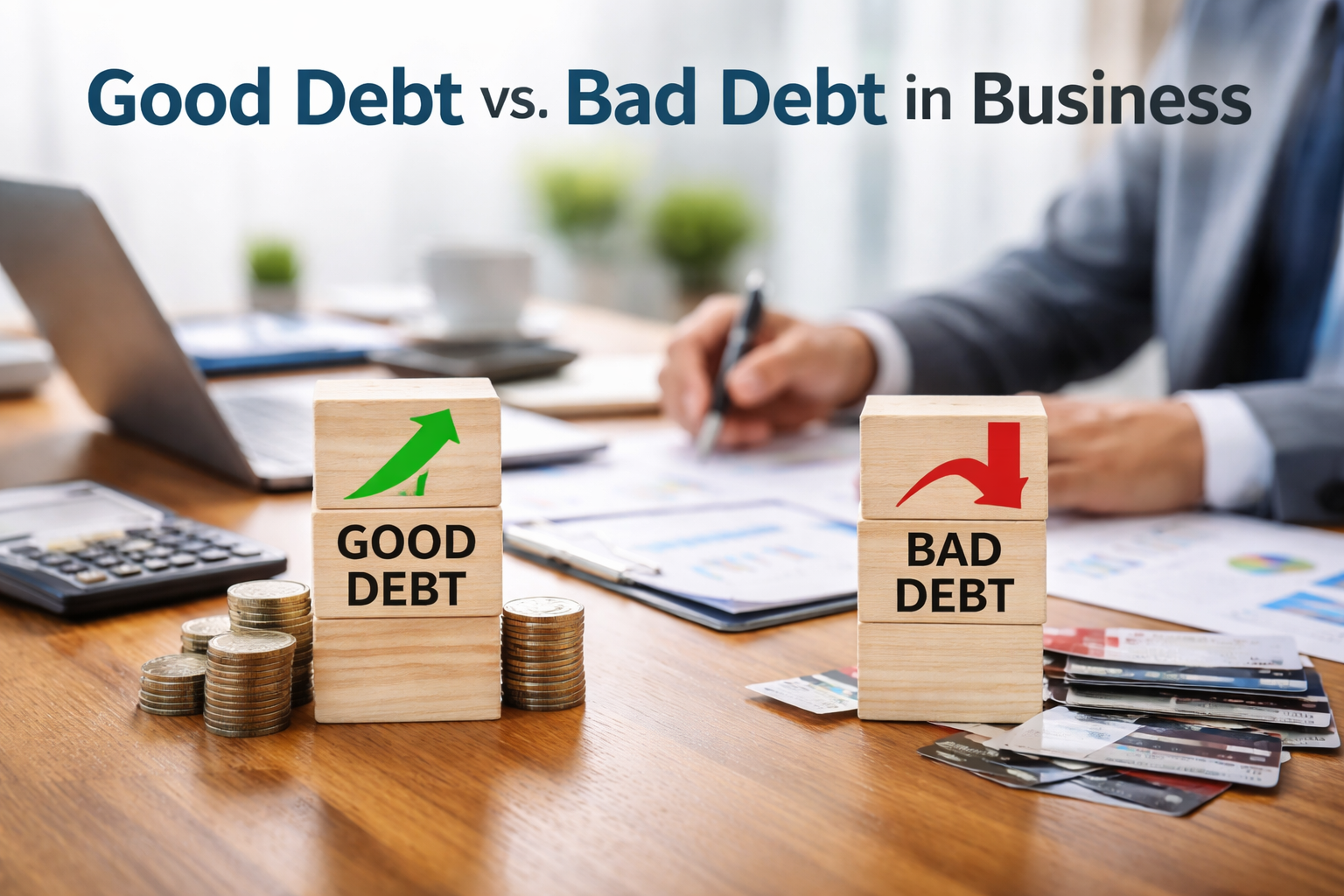
Debt is not inherently negative. Many successful companies rely on borrowed funds at various stages of their lifecycle. The key lies in purpose and planning.
Businesses often use debt to:
- Accelerate growth without giving up ownership
- Smooth cash flow during slow periods
- Invest in assets that generate future revenue
When debt supports activities that increase earning potential, it can strengthen a business rather than weaken it.
The Costs and Risks of Business Debt
While debt can be helpful, it comes with obligations that should not be overlooked. Every loan requires repayment, regardless of how the business performs.
Financial Pressure
Regular payments reduce available cash. This can limit a company’s ability to respond to changes in the market or invest in new opportunities.
Interest and Fees
Interest costs add up over time and increase the true cost of borrowing. Fees for late payments or covenant violations can further strain finances.
Impact on Credit
Missed or late payments can harm business credit profiles, making future borrowing more difficult or expensive.
Managing Business Debt Effectively
Successful debt management requires ongoing attention and clear financial oversight. Businesses that stay proactive are better positioned to avoid problems.
Track All Obligations
Keeping a detailed list of all debts helps owners understand what is owed, to whom, and when payments are due.
Important details to monitor include:
- Outstanding balances
- Interest rates
- Payment schedules
Align Debt With Purpose
Debt should support specific business goals. Borrowing without a clear use can quickly lead to inefficiencies and unnecessary risk.
Maintain Cash Reserves
Adequate cash reserves help ensure that debt payments can be made even during slower revenue periods.
When Business Debt Becomes a Problem
Debt becomes problematic when it interferes with daily operations or long term viability. Warning signs often appear gradually rather than all at once.
Common red flags include:
- Struggling to make minimum payments
- Using new debt to pay existing debt
- Delaying essential expenses to cover loan obligations
Recognizing these signals early allows businesses to take corrective action before issues escalate.
Options for Addressing Excessive Business Debt
When debt levels become unmanageable, several options may help stabilize the situation.
Renegotiation With Lenders
Some lenders are willing to adjust payment terms if a business communicates early and clearly about financial challenges.
Refinancing
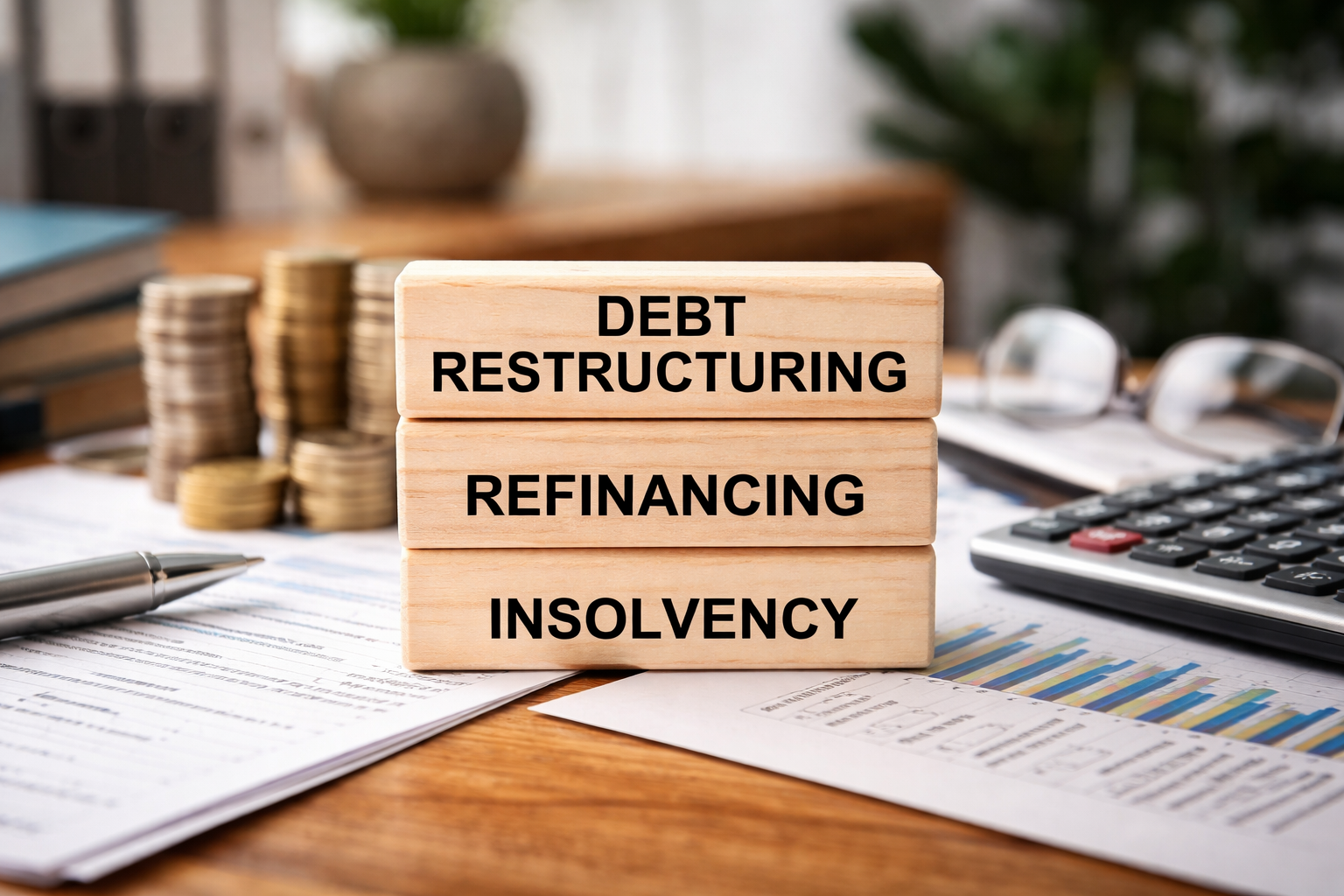
Replacing existing debt with new financing at better terms can lower monthly payments or reduce interest costs.
Professional Guidance
Accountants and financial advisors can help evaluate debt structure and recommend strategies tailored to the business’s situation.
Building a Sustainable Approach to Debt
Business debt is a tool, not a solution by itself. Used wisely, it can support growth and resilience. Used carelessly, it can restrict options and increase stress.
A sustainable approach involves borrowing with intention, monitoring obligations consistently, and aligning repayment with realistic cash flow expectations. When debt decisions are grounded in strategy rather than urgency, businesses are better equipped to thrive over time.