
Business and Corporate Finance

Business and corporate finance focuses on how organizations plan, manage, and control financial resources to achieve strategic objectives. It combines analytical discipline with practical decision-making to ensure sustainability, profitability, and long-term value creation.
The guide explain the major functional areas that shape corporate financial performance and governance.
Posts on Business and Corporate Finance




Accounting And Financial Reporting
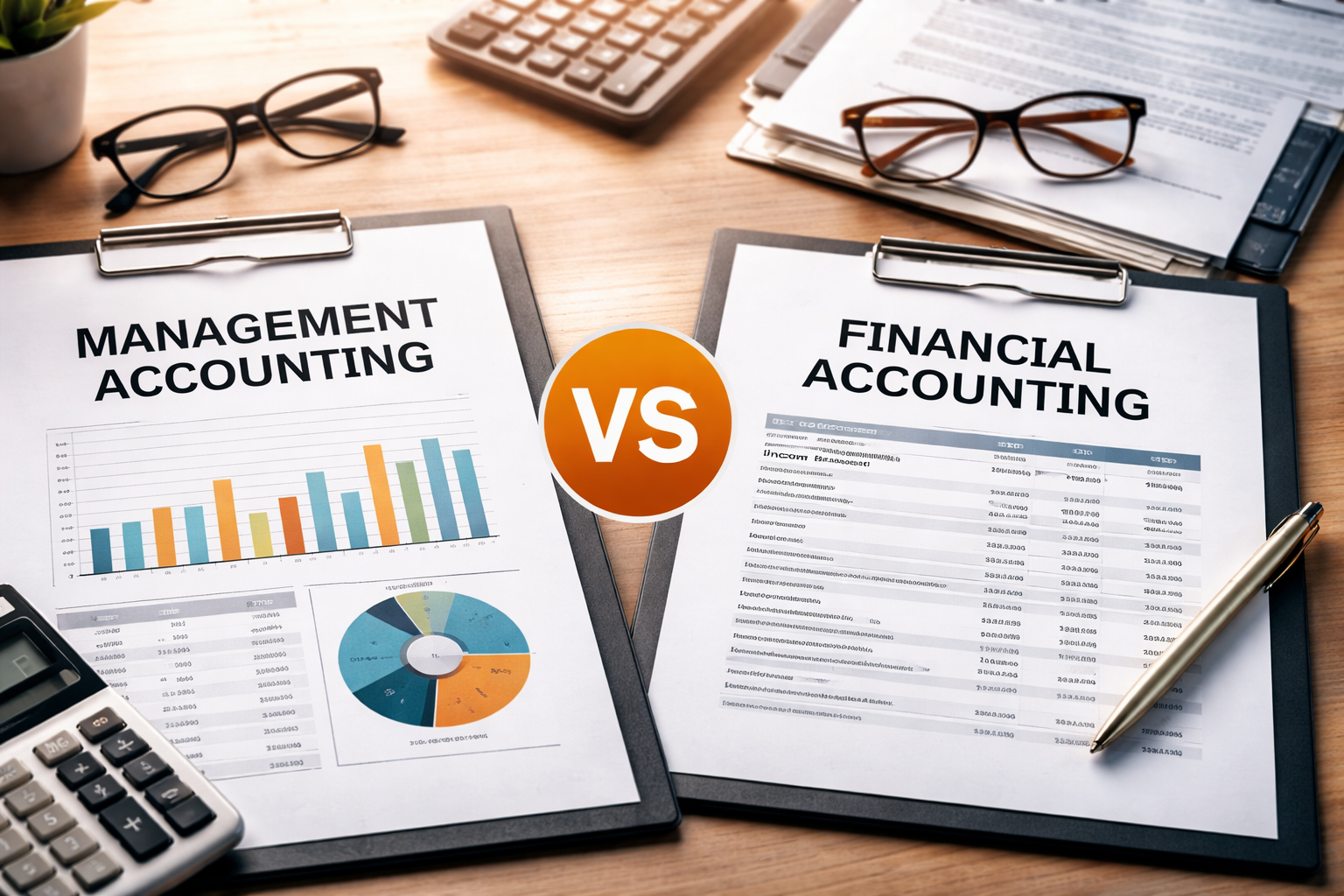
Accounting and financial reporting provide the factual foundation of corporate finance. They ensure that financial information is accurate, consistent, and useful for internal and external stakeholders.
Purpose And Scope
This area focuses on recording transactions, preparing financial statements, and complying with reporting standards. Reliable reporting enables transparency and accountability across the organization.
Key Activities
- Preparation of financial statements
- Revenue and expense recognition
- Compliance with accounting standards
- Financial disclosures and audits
Financial Management
Financial management deals with the efficient use of financial resources to support operational and strategic goals. It emphasizes control, planning, and performance measurement.
Core Responsibilities
Financial managers oversee cash flows, budgets, and financial planning to ensure liquidity and stability. Their decisions directly affect profitability and risk exposure.
Key Activities
- Budgeting and forecasting
- Cash flow management
- Cost control and efficiency analysis
- Financial performance evaluation
Funding And Capital Structure
Funding and capital structure determine how a business finances its operations and growth. The balance between debt and equity has long-term implications for risk and return.
Strategic Importance
An effective capital structure minimizes the cost of capital while maintaining financial flexibility. Decisions must align with business risk and market conditions.
Key Activities
- Equity financing decisions
- Debt issuance and management
- Capital structure optimization
- Cost of capital analysis
Investment, Valuation And Growth
This category focuses on allocating capital to projects and opportunities that generate sustainable value. Sound investment decisions are central to corporate growth.
Decision Framework
Organizations evaluate investments based on expected returns, risk, and strategic fit. Valuation techniques support objective comparison between alternatives.
Key Activities
- Capital expenditure analysis
- Business and asset valuation
- Mergers and acquisitions evaluation
- Long-term growth planning
Strategy And Corporate Development
Strategy and corporate development align financial decisions with the broader direction of the organization. This area integrates finance with competitive positioning.
Strategic Role
Financial analysis supports decisions on expansion, diversification, and restructuring. Corporate development ensures that financial resources support strategic priorities.
Key Activities
- Strategic financial planning
- Market and competitor analysis
- Mergers, acquisitions, and divestitures
- Business model evaluation
Risk, Governance And Controls
Risk management and governance protect the organization from financial and operational threats. Strong controls promote ethical behavior and regulatory compliance.
Governance Framework
This area establishes policies, oversight structures, and internal controls to manage uncertainty and safeguard assets.
Key Activities
- Financial risk assessment
- Internal control systems
- Corporate governance policies
- Compliance monitoring
Tax, Regulation And Compliance
Tax and regulatory compliance ensure that the organization meets its legal obligations while managing tax efficiency. This area requires precision and up-to-date knowledge.
Regulatory Environment
Businesses operate within complex tax and regulatory frameworks. Effective management reduces legal risk and avoids financial penalties.
Key Activities
- Tax planning and reporting
- Regulatory compliance management
- Liaison with authorities
- Policy interpretation and implementation
Financial Technology And Systems
Financial technology and systems support data accuracy, speed, and integration across finance functions. They enhance decision-making through automation and analytics.
Operational Impact
Modern systems improve efficiency, reduce errors, and provide real-time financial insights critical for management.
Key Activities
- Financial system implementation
- Data management and reporting tools
- Process automation
- Cybersecurity and system controls
Leadership And Decision-Making
Leadership and decision-making represent the human dimension of corporate finance. Financial leaders translate data into actionable insights.
Executive Responsibility
Senior finance leaders guide strategic choices, communicate financial implications, and ensure alignment with organizational goals.
Key Activities
- Executive financial advisory
- Stakeholder communication
- Strategic decision support
- Performance accountability
Business Debt And Restructuring
Business debt and restructuring address financial distress and balance sheet optimization. This area becomes critical during periods of underperformance or market disruption.
Financial Stability Focus
Restructuring aims to restore viability, improve liquidity, and protect stakeholder value through disciplined financial action.
Key Activities
- Debt restructuring and refinancing
- Negotiation with lenders
- Turnaround planning
- Insolvency and recovery analysis
Conclusion
Business and corporate finance is a structured discipline that underpins organizational success. By integrating accounting, strategy, risk management, and leadership, it enables informed decision-making and long-term value creation across all stages of the business lifecycle.