
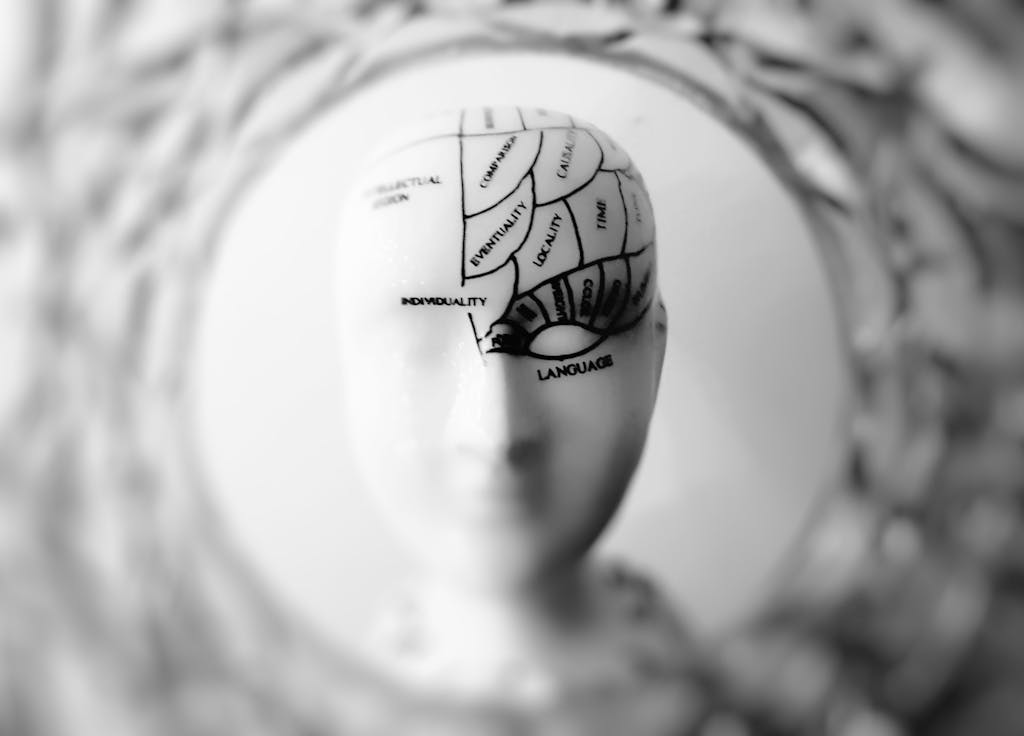
Every financial decision you make is processed by systems in the brain that evolved long before money existed. These systems were built to detect reward, danger, and opportunity. When you make or lose money, the brain treats those outcomes as signals about survival, which is why financial outcomes feel so emotionally powerful.
Why Gains Feel Good and Losses Feel Painful
Your brain does not evaluate gains and losses the same way. It uses two different internal systems.
How gains are processed
When you make money, your brain activates its reward network, especially a region called the nucleus accumbens. This area responds whenever something beneficial happens. It produces feelings of pleasure, confidence, and motivation. This reaction reinforces the behavior that led to the gain and makes you more willing to take similar risks again.
That is why winning trades or profitable investments often create momentum. Your brain starts to associate risk with success.
How losses are processed
Losses activate a very different set of brain regions. The amygdala and insula, which are involved in fear, uncertainty, and discomfort, become more active. These areas generate the emotional sting of losing and push you toward caution and avoidance.
Losses also trigger stress responses that make you more alert and emotionally reactive. This is why losing money feels more intense than gaining the same amount.
The Brain’s Built-In Loss Aversion
Your brain is wired to treat losses as more important than gains. This is called loss aversion.
From a survival perspective, losing resources was more dangerous than missing out on a reward. The brain still follows that rule. When you face a possible loss, emotional and threat-detection systems react more strongly than when you face a potential gain.
This is why:
- People hold losing investments too long
- Small losses feel disproportionately painful
- Market downturns trigger fear and panic
Your brain is trying to protect you, even when that protection leads to poor financial choices.
How the Brain Decides Whether to Take Risk
Several regions work together when you decide whether to invest, trade, or walk away.
Reward center
The nucleus accumbens measures how attractive a potential gain is. When it becomes active, risk feels exciting and worth taking.
Fear and risk system
The amygdala and insula track possible losses and uncertainty. When they become active, risk feels dangerous and uncomfortable.
Planning and control system
The prefrontal cortex weighs long-term outcomes, rules, and strategy. It can override emotional reactions and keep you disciplined.
Good financial decisions happen when the prefrontal cortex stays in control. Bad ones happen when reward or fear systems take over.
Why Emotions Take Over in Trading and Gambling
Fast-moving financial environments create rapid emotional swings.
Short-term trading
Quick wins produce excitement and confidence. Quick losses produce stress and frustration. The brain keeps bouncing between reward and fear, which makes it harder to stay disciplined. This is why traders often become overconfident after wins and overly cautious or reckless after losses.
Long-term investing
Long-term investing creates fewer emotional spikes. The planning parts of the brain have more time to work. However, major market crashes or big rallies can still trigger strong emotional reactions that lead to panic selling or overconfidence.
Gambling
Gambling creates the strongest reward signals of all. Even near-wins activate the brain’s reward system, which is why people keep playing. At the same time, the loss system becomes less effective in frequent gamblers, allowing risky behavior to continue.
What This Means for Your Money
Your brain treats money as if it were survival. Gains trigger reward and confidence. Losses trigger fear and stress. These reactions happen automatically, whether you want them to or not.
Understanding this helps explain:
- Why you feel euphoria after a win
- Why losses feel so personal
- Why markets swing between greed and fear
The most successful investors and traders are not those who feel nothing. They are the ones who recognize these brain responses and build systems, rules, and habits that keep emotion from controlling their financial decisions.